Conecta ChatGPT with Composio for Enhanced Productivity
· based on the channel DataEdu
Key takeaways
- Composio enables native and external connectors for AI integration.
- Supports connections with ChatGPT, Claude, Manus, and Google Drive.
- Allows authorizing accounts and managing permissions securely.
- Facilitates automation and enhances productivity with AI assistants.
- Compatible with semantic models like Power BI with caution for sensitive data.
Connecting ChatGPT with Composio enables users to integrate AI assistants directly into the applications they already use, enhancing productivity and automating workflows. Composio supports both native and external connectors, allowing seamless communication between AI models like ChatGPT, Claude, and apps such as Google Drive. You can learn more and access related resources at DataEdu's Storytelling Book.
Understanding Composio Connectors
Composio uses two main types of connectors: native and external. Native connectors are built-in integrations that directly link AI assistants with applications, providing streamlined communication and data exchange. External connectors allow connecting to apps that may not have native support, often requiring additional authorization steps.
Key features include:
- Secure authorization of user accounts.
- Defined permission scopes for data access.
- Access to specific actions available through each connection.
This approach ensures that users maintain control over their data while benefiting from AI-enhanced workflows.
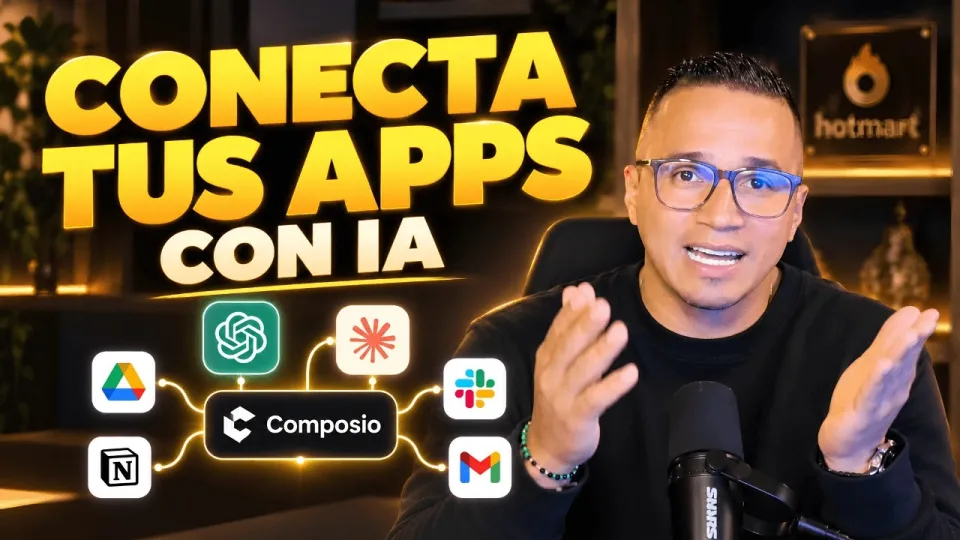
Video: Conecta ChatGPT, Claude y tus apps: así haces más con Composio
Integrating ChatGPT and Claude with Your Apps
Composio supports integration with popular AI assistants such as ChatGPT and Claude. These integrations allow users to leverage AI capabilities within familiar software environments.
Steps to connect:
- Select the AI assistant (ChatGPT or Claude) in Composio.
- Authorize access by logging in with your AI account credentials.
- Choose the apps you want to connect, e.g., Google Drive.
- Set permissions according to the actions you want the AI to perform (reading, writing, or managing files).
Once connected, you can automate tasks like generating summaries, drafting documents, or managing data stored in cloud applications.
Practical Use Case: Google Drive Integration
One prominent example demonstrated is connecting ChatGPT or Claude with Google Drive via Composio. This integration enables AI assistants to access your Drive files, process content, and help automate document-related tasks.
Key actions available:
- Reading and summarizing documents.
- Creating new files based on AI-generated content.
- Organizing files and folders through AI commands.
Permissions required include read and write access, which users must explicitly grant during connection. Ensuring data security is paramount, especially when dealing with sensitive or proprietary information.
Addressing Security and Data Sensitivity
A common concern involves the safety of connecting AI assistants to platforms containing sensitive data, such as Power BI semantic models. Composio enforces strict permission management to mitigate risks.
Recommendations include:
- Reviewing the permissions requested by AI integrations carefully.
- Limiting AI access to only necessary data and applications.
- Using encryption and secure authentication methods.
Users should be cautious when integrating AI with business-critical data to prevent unintended exposure.
Expanding AI Productivity with Manus and Other Tools
Besides ChatGPT and Claude, Composio supports other AI tools like Manus IA. This flexibility allows professionals to choose the best assistant for their workflow and integrate multiple AI services simultaneously.
Benefits include:
- Tailored AI assistance for specific tasks.
- Cross-application automation combining different AI capabilities.
- Enhanced efficiency by centralizing AI management.
Useful Links
- Storytelling Book by DataEdu
- Excel DataEdu Course
- DAX Advanced Analysis Course
- DataEdu Instagram
- DataEdu LinkedIn
Conclusion
Connecting ChatGPT and Claude AI assistants with your apps through Composio unlocks powerful opportunities for automation and productivity enhancement. By using native and external connectors, users can securely authorize AI access, manage permissions, and perform meaningful actions across platforms like Google Drive. While integrating AI into workflows, attention to data security remains crucial, especially with sensitive information. This integration method, presented by the DataEdu channel, offers practical pathways to maximize the benefits of artificial intelligence in daily tasks. For more insights and learning resources, explore the DataEdu Storytelling Book and continue expanding your AI capabilities.
Source: Conecta ChatGPT, Claude y tus apps: así haces más con Composio · Markdown version
Questions & answers
Is Composio safe to use with sensitive business data like Power BI models?
Composio includes permission controls to restrict AI access only to authorized data, but users should carefully review and limit permissions when connecting to sensitive information to ensure security.
What types of connectors does Composio support for AI integration?
Composio supports native connectors, which are built-in integrations, and external connectors that connect to applications without native support, requiring additional authorization steps.
Can I connect multiple AI assistants like ChatGPT and Claude simultaneously with Composio?
Yes, Composio allows integrating various AI assistants such as ChatGPT, Claude, and Manus IA, enabling users to automate tasks across multiple AI tools in their workflows.
What permissions are needed to connect Google Drive with ChatGPT through Composio?
Users must authorize read and write permissions for Google Drive so that the AI assistant can access, read, create, and organize documents securely within the Drive.